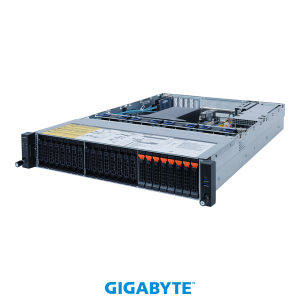
How Enterprise Data Servers Can Improve Business Efficiency

Businesses generate and depend on vast amounts of information. Managing this data effectively separates thriving companies from struggling ones. Disorganized data storage slows operations, creates security risks, and limits valuable insights.
Centralized computing systems address these challenges directly by organizing and processing critical information. Investing in a robust enterprise data server typically forms the backbone of this modern data strategy.
Centralizing Information Access:
A primary benefit lies in consolidating data from disparate sources. Departments often store information on individual computers or isolated systems, creating data silos. An enterprise server acts as a single, authoritative repository. It holds customer records, financial reports, inventory databases, and application files in one secure location.
This centralization allows employees across the organization to access consistent, up-to-date information. Teams spend less time searching for files and reconciling different versions, which accelerates project timelines and improves collaborative work.
Strengthening Security and Control:
Data security is a major concern for every business. Enterprise servers provide a fortified environment for sensitive information. Unlike scattered storage solutions, administrators can implement uniform security protocols, including advanced firewalls, encryption, and access controls, from a central point.
They manage user permissions, ensuring employees access only the data necessary for their roles. This controlled environment also simplifies compliance with industry regulations, as auditing and monitoring activities happen through a defined system. Regular, centralized backups to the server safeguard business continuity against data loss from hardware failure or cyber incidents.
Increasing Operational Speed:
Performance directly influences productivity. Dedicated enterprise servers handle large-scale data processing and run critical business applications like Customer Relationship Management (CRM) or Enterprise Resource Planning (ERP) software with high reliability.
These systems deliver faster data retrieval and processing speeds compared to general-purpose office computers. This capability reduces wait times for reports, accelerates transaction processing, and supports more users simultaneously. Employees complete data-intensive tasks without frustrating delays, which optimizes daily workflows.
Enabling Informed Decisions:
Finally, organized data empowers smarter business choices. A central server provides a clean, structured pool of information ready for analysis. Business intelligence tools can connect directly to the server to process operational data, identify sales trends, forecast demand, and measure performance metrics.
Leaders gain a clearer, real-time view of company operations, allowing them to base strategic decisions on evidence rather than intuition. This data-driven approach helps allocate resources effectively and identify new market opportunities.
About The Author